


When it comes to maximizing performance on the track, tire pressure is an essential parameter that cannot be overlooked. Proper tire pressure contributes significantly to vehicle handling, grip, and overall lap times. Ensuring that your tires are inflated to the correct specifications can improve traction, enhance stability, and reduce tire wear during intense racing conditions.
Understanding the ideal tire pressure for your specific vehicle and track conditions is crucial. Different tracks may present varying surface conditions, temperatures, and cornering demands, all of which can affect how your tires perform. Thus, it is vital to regularly check and adjust tire pressure to optimize performance for each race or practice session.
In this article, we will explore essential tips for determining the right tire pressure, methods for accurate measurement, and the impact of tire pressure adjustments on track performance. Implementing these strategies can lead to not only faster lap times but also a more enjoyable driving experience overall.
Understanding Ideal Tire Pressure for Different Track Conditions
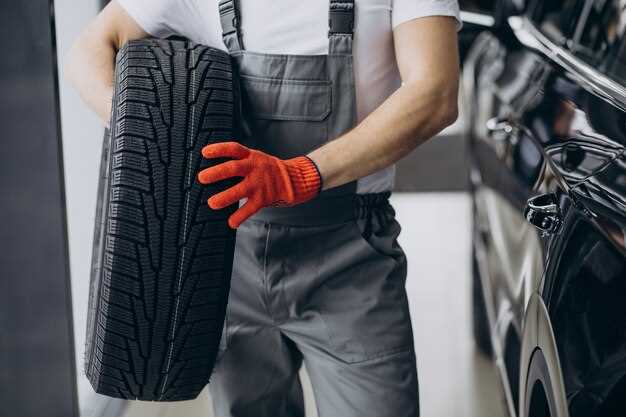
Optimal tire pressure is crucial for maximizing performance on the track. Different track conditions require specific pressure adjustments to ensure the best handling, grip, and tire longevity.
Dry Track Conditions: On a dry surface, the ideal tire pressure typically falls within the manufacturer’s recommended range. This ensures adequate contact between the tire and the asphalt, providing better grip. Generally, lower pressures can enhance cornering capabilities, while higher pressures may improve straight-line speed. A good starting point is to consult your tire’s specifications and make small adjustments based on vehicle feedback and lap times.
Wet Track Conditions: When competing on a wet track, tire pressure should be slightly lower than usual. This adjustment increases the tire’s contact patch, allowing for better water dispersion and improved traction. Monitoring tire performance during wet conditions is essential; too low of a pressure can lead to hydroplaning, while too high can reduce grip. Aim for a pressure that promotes confidence while navigating corners and straights.
Variable Track Conditions: Tracks that experience frequent changes in weather or surface quality require a more dynamic approach. Adjusting tire pressure throughout the race can optimize performance. If the track begins dry and then sees rain, reducing tire pressure will enhance grip. Conversely, if the track dries out, increasing the pressure can help maintain stability. Regularly check tire temperatures and performance to fine-tune your settings accordingly.
Racing Series Considerations: Different racing series have unique tire specifications and optimal pressure ranges. For example, endurance racing may require different setups compared to sprint races. Consult with your team and analyze data collected from previous races to determine the best pressures specific to your series and vehicle setup. Understanding your car’s dynamics and how tire pressure affects them can lead to a significant competitive advantage.
In conclusion, determining the ideal tire pressure under various track conditions is vital for achieving optimal performance. Frequent adjustments based on real-time feedback and track evaluations will help maximize grip, enhance stability, and ensure longevity of the tires. Prioritize understanding these dynamics for better racing outcomes.
Adjusting Tire Pressure Based on Weather and Temperature

Correct tire pressure is essential for optimal track performance, and it is significantly influenced by weather conditions and temperature fluctuations. As the temperature changes, so does the air density, which affects the pressure inside the tires. Understanding how to adjust tire pressure according to these variables can enhance grip, stability, and overall handling on the track.
In warmer weather, the tires will heat up during operation, causing the air inside to expand. It is advisable to start with a lower baseline pressure when entering a warm track, as the heat build-up can lead to an increase of 2-5 psi. By setting a slightly lower initial pressure, you ensure that your tires do not exceed the recommended range during a session, thereby avoiding over-inflation that can negatively affect performance.
Conversely, in cooler conditions, tires are less likely to heat up as much, which can lead to lower operating temperatures and a risk of under-inflation. It is important to check and possibly increase tire pressure before heading out on a cold track. A rise of 1-3 psi may be necessary to maintain optimal contact with the surface and prevent reduced grip. Always monitor tire temperatures during the session to adjust pressures more accurately for changing conditions.
Humidity also plays a role in tire pressure adjustments. High humidity can lead to a slight decrease in tire temperature due to the air’s cooling effects. This necessitates a re-evaluation of the tire pressure, as the tires may require a pressure increase to maintain optimal performance on a humid day.
In summary, regularly checking and adjusting tire pressure according to the weather and temperature is crucial for maximizing track performance. Factors such as ambient temperature, humidity levels, and the heat generated during running should all be considered. A proactive approach in monitoring these elements will not only enhance grip and stability but also contribute to safer and more effective track outings.
Monitoring and Maintaining Tire Pressure Throughout Race Day
Proper tire pressure is crucial for optimal track performance, especially during race day. Consistent monitoring and maintenance of tire pressure can prevent potential issues that may hinder performance or safety. Start the day by checking the tire pressure early in the morning when temperatures are cooler. This will provide a baseline reading, as tire pressure increases with heat generated during practice and races.
Use a reliable tire pressure gauge to ensure accuracy. Digital gauges are recommended for their precision, but analog gauges can also work effectively if calibrated correctly. Always check the pressure when tires are cold, ideally before the car is driven. For racing scenarios, it’s essential to know the recommended pressure range for your specific tire model and track conditions.
Throughout the day, monitor tire pressure regularly. After each practice session or race, take the time to measure tire pressure again, as even slight changes can affect handling and performance. Keep a log of the readings to identify patterns and make adjustments as needed. If tire pressures rise significantly, it may be a sign that adjustments in air pressure or driving style are necessary.
Be aware of track conditions that could influence tire performance. For example, if the track temperature rises significantly due to weather changes or increased sunlight, tire pressure will likely increase as well. Consider adjusting at the midpoint of the race day to maintain optimal performance levels.
Finally, communicate with your team about tire pressure changes and any observations during practice and racing. Teamwork is essential in making quick adjustments that can profoundly affect the car’s performance. Staying proactive with monitoring and maintaining tire pressure can give you a competitive edge when it matters most on race day.