


Maintaining the appropriate tire pressure is essential for optimal vehicle performance, safety, and fuel efficiency. When tire pressure is within the recommended range, it enhances the contact between the tire and the road, providing better traction and stability. Conversely, incorrect tire pressure can lead to excessive wear, poor handling, and increased risk of tire blowouts, particularly in varying driving conditions.
Different driving situations, such as wet roads, off-road adventures, or highway cruising, can impact the ideal tire pressure. External factors, including temperature fluctuations and load weight, also play a crucial role in determining the optimal inflation level. Understanding how these variables influence tire performance allows drivers to make informed adjustments, ensuring safety and comfort on every journey.
This article will explore the recommended tire pressure for various driving conditions, highlighting the importance of regular tire maintenance and providing practical tips for achieving the perfect balance. Whether you’re navigating city streets or embarking on a long road trip, proper tire inflation is key to enhancing your driving experience.
Understanding Recommended Tire Pressure for Different Vehicles
Recommended tire pressure is essential for optimal vehicle performance, safety, and efficiency. Each type of vehicle has specific requirements based on various factors such as weight, load capacity, and intended use. Here’s a breakdown of recommended tire pressures for different vehicle categories.
Passenger Cars: Most passenger cars typically require a tire pressure ranging from 30 to 35 psi (pounds per square inch). This range ensures a balance between comfort and fuel efficiency. It’s vital to check the manufacturer’s guidelines located on a placard inside the driver’s side door or in the owner’s manual, as variations can exist based on the model and tire specifications.
SUVs and Light Trucks: SUVs and light trucks generally function better with a higher tire pressure of about 35 to 40 psi. This is due to their larger size, heavier weight, and the potential for carrying additional loads. Maintaining appropriate pressure helps in stabilizing handling and improving fuel consumption.
Performance Vehicles: These vehicles often come with specialized tires designed for high-speed driving. Recommended pressures typically fall between 32 to 38 psi, depending on the specific tire construction and usage. For performance driving, tire pressure should be adjusted according to track conditions or competition standards.
Commercial Vehicles: Larger vehicles such as buses and trucks require tire pressures that vary significantly, often ranging from 75 to 110 psi. This higher pressure supports the increased weight and different loading characteristics typical of commercial usage. Proper tire inflation is critical for handling, stability, and minimizing wear.
Motorcycles: Motorcycle tire pressure is generally lower than that of cars, typically recommended between 28 to 40 psi, depending on the type of motorcycle and tire specifications. Maintaining the correct pressure is crucial for ensuring grip, handling stability, and overall rider safety.
In all cases, tire pressure should be adjusted to the specifications provided by the manufacturer, and it’s essential to check the pressure regularly, especially before long trips or after significant changes in temperature.
Adapting Tire Pressure for Seasonal Weather Changes
Seasonal weather fluctuations can significantly impact tire performance, making it essential for drivers to adjust tire pressure based on environmental conditions. Temperature changes directly affect air density, which in turn influences tire pressure. When temperatures drop, the air inside the tire contracts, leading to a decrease in pressure. Conversely, warmer temperatures result in increased air expansion, raising tire pressure. This variation can reach approximately 1 PSI for every 10°F change in temperature.
In colder months, it is crucial to check and maintain tire pressure more frequently. Underinflated tires can lead to poor traction, increased wear, and a higher risk of blowouts during winter driving. For optimal performance on icy or snowy roads, consider increasing tire pressure by 1-2 PSI to compensate for the drop caused by low temperatures, but always adhere to the manufacturer’s recommended pressure guidelines.
During the summer, the increase in temperature can cause the air in tires to expand, leading to an overinflated condition if not monitored. Overinflated tires can result in reduced traction, uneven wear, and a decreased contact patch with the road surface, which can be particularly dangerous on slick or wet roads. It is advisable to check tire pressure regularly and reduce it if necessary, ensuring it aligns with the recommended specifications for the season.
In addition to following temperature recommendations, consider the type of driving you will be doing in each season. For example, if you anticipate driving on rugged terrain in the fall or wet conditions in the spring, adjusting tire pressure for enhanced grip and stability will improve safety and performance. Maintaining optimal tire pressure year-round ensures better fuel efficiency, handling, and overall vehicle safety.
How to Measure and Maintain Optimal Tire Pressure Regularly
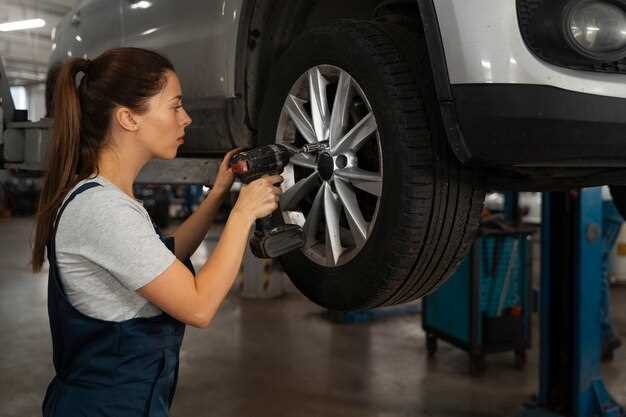
Measuring and maintaining the optimal tire pressure is essential for safety, performance, and fuel efficiency. To begin, use a reliable tire pressure gauge. These can be digital or manual. First, check the vehicle’s owner manual or the driver’s side door jamb for the recommended tire pressure, which is usually indicated in PSI (pounds per square inch).
To measure tire pressure, ensure that the tires are cold, ideally before driving, as heat can increase pressure readings. Remove the valve cap from the tire, press the gauge firmly onto the valve stem, and read the measurement. If the pressure is lower than recommended, add air until it meets the required level. Conversely, if it is too high, release some air until the correct pressure is achieved. Replace the valve cap securely after checking.
Regular maintenance is crucial. Check tire pressure at least once a month and before long trips. Use the same trusted gauge for consistency. Consider seasonal changes, as temperature variations can affect tire pressure. Tires tend to lose about 1 PSI for every 10°F drop in temperature, so adjustments may be necessary during colder months.
In addition to pressure checks, visually inspect your tires for signs of uneven wear, damage, or objects lodged in them. Proper rotation and alignment can also contribute to even wear and better management of tire pressure. Keeping tires properly inflated can enhance traction, prolong tire life, and improve fuel economy, making it an important part of vehicle maintenance.