


The Suzuki GSXR750 is a legendary sportbike known for its blend of power, agility, and track-focused performance. When transformed into a dedicated track machine, the GSXR750 exhibits features that enhance its capabilities for competitive riding. This article delves into the specific modifications and enhancements that define a GSXR750 track build, highlighting the critical components that contribute to its performance on the racetrack.
One of the standout features of a GSXR750 track build is the optimized suspension system. Upgrading to high-performance forks and rear shock absorbers allows for precise handling and improved stability during high-speed turns. Adjustability becomes essential, enabling riders to fine-tune their setup based on track conditions, rider weight, and personal preferences. This capability is a game-changer for achieving the ideal balance between comfort and performance.
In addition to suspension upgrades, another vital aspect of a track-focused GSXR750 is the engine tuning. Enhancements such as a full exhaust system, ECU remapping, and air filter upgrades can significantly boost horsepower and torque. These modifications not only improve acceleration but also enhance throttle response, delivering a race-ready performance that meets the demands of professional riding. Understanding how these components work together provides valuable insights into maximizing the potential of the GSXR750 on the track.
Choosing the Right Suspension Setup for GSXR750 Track Performance
When optimizing the suspension setup for the GSXR750 on track, it is crucial to focus on three primary aspects: front forks, rear shock, and overall geometry adjustments. Each component plays a critical role in enhancing performance, handling, and ride comfort.
The front forks are typically one of the first areas to upgrade. Consider investing in high-quality adjustable forks or aftermarket options that offer cartridge kits to improve damping characteristics. This allows you to fine-tune compression and rebound settings according to track conditions, ensuring that the front end maintains stability under braking and during cornering.
Next, the rear shock must complement the front suspension. A well-matched rear shock improves traction and responsiveness. Look for adjustable shocks that provide various settings for preload, compression, and rebound. This adjustability is essential for catering to different track surfaces and riding styles, allowing the rider to achieve the best possible grip and control.
Suspension geometry also plays a vital role in the GSXR750’s track performance. Adjusting the ride height through the rear shock linkages can alter the bike’s weight distribution, impacting cornering agility and stability. Lowering the front end through fork adjustments can sharpen handling but may require compensatory changes to maintain balance.
Spring rates are another critical consideration. The ideal spring rate depends on the rider’s weight and riding style. Riders should choose springs that are neither too soft nor too stiff; an appropriate setup enhances feedback from the track while minimizing excessive pitching and diving during braking or acceleration.
Regular maintenance of the suspension components is also essential. Track riding subjects the suspension to considerable stress, leading to wear and tear. Periodically check and refresh the oil and seals in the forks and rear shock to maintain optimal performance levels.
Lastly, testing different setups on the track is invaluable. Every rider’s preferences and styles differ; therefore, trial and error is often necessary to find the ideal suspension configuration. Continuous feedback and adjustments based on actual track performance can lead to a more competitive and enjoyable riding experience.
Maximizing Power Delivery: Exhaust and Engine Modifications for GSXR750

To enhance the power delivery of the Suzuki GSXR750, strategic modifications to the exhaust system and engine internals are essential. These modifications not only improve overall performance but also optimize the bike for track use.
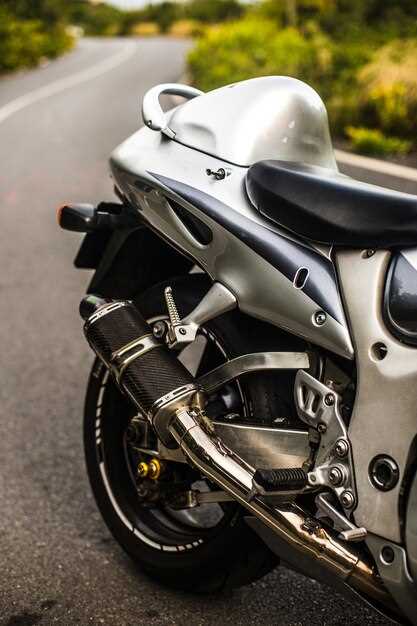
Replacing the stock exhaust system with a high-performance aftermarket option is a crucial step. A lighter, free-flowing exhaust reduces back pressure, allowing the engine to expel exhaust gases more efficiently. Look for systems that are designed specifically for race applications, as they typically feature larger diameter piping and less restrictive mufflers.
In addition to the exhaust system, tuning the engine is vital for maximizing power. Installation of a Power Commander or similar fuel management system allows for precise tuning of the air-fuel ratio. By adjusting this ratio, riders can ensure their GSXR750 is running optimally throughout the entire RPM range.
Consider engine modifications such as upgrading to high-compression pistons. This increases the engine’s compression ratio, resulting in more power output. Additionally, performance camshafts can be installed to alter the timing of valve openings and closings, enhancing airflow into and out of the cylinders at higher RPMs.
To further boost power delivery, porting and polishing the cylinder head can significantly improve airflow. This involves smoothing out the internal surfaces of the intake and exhaust ports, thereby reducing turbulence and facilitating a more efficient flow of air and fuel.
Finally, installing lightweight components such as a race-oriented flywheel can reduce rotational mass, allowing the engine to rev quicker and deliver power more responsively. Each of these modifications contributes to a more powerful and efficient GSXR750, ideal for competitive track environments.
Tire Selection and Pressure: Optimizing Grip and Handling on the Track
Choosing the right tires for your GSXR750 track build is vital for maximizing grip and enhancing overall handling performance. Track environments differ significantly from street conditions, requiring specialized tires that can withstand heat and provide optimal traction. Considerations should include tire compound, tread design, and size.
Tire Compound: The compound of the tire determines its grip level. Racing tires typically come in soft, medium, and hard compounds. Soft compounds offer superior grip but wear out faster, making them suitable for short races or practice sessions. Medium compounds provide a balance of longevity and grip, while hard compounds are ideal for endurance racing but may sacrifice some performance. Analyze your track’s characteristics to select the compound that best matches your needs.
Tread Design: While slick tires are common in dry conditions due to their maximum contact patch, treaded tires should be considered for variable weather or mixed conditions. The design influences water evacuation, heat dissipation, and grip characteristics. Track tires are designed for improved cornering and stability, so selecting a model with the appropriate tread pattern is essential for maintaining performance across different track layouts.
Tire Size: The width and aspect ratio of the tires play a crucial role in handling dynamics. Wider tires increase grip but can affect cornering feel and responsiveness. It’s essential to follow specifications recommended for the GSXR750 while considering personal preferences and riding style. Increasing tire pressure can also enhance stability and reduce the risk of tire degradation in high-speed corners.
Pressure Optimization: Correct tire pressure is critical for performance. Under-inflated tires can lead to excessive deformation during operation, resulting in poor grip and increased tire wear. Over-inflation can reduce the contact patch, causing a loss in traction. Regularly check tire pressure, adjusting according to manufacturer’s recommendations and track conditions. In general, lower pressures increase grip but may increase wear, while higher pressures enhance response but reduce contact area.
Finding the ideal balance requires experimentation during practice sessions. Monitor tire performance closely, observing temperature and wear patterns to make necessary adjustments. Using tire temperature gauges can provide insights into optimal operating temperatures and pressures, leading to enhanced lap times and improved confidence on the track.
In summary, meticulous attention to tire selection and pressure settings is fundamental for refining the performance of your GSXR750 on the track. Tailoring tire choices to match your riding style, optimizing pressures for the conditions, and regularly monitoring performance will ensure you maximize grip and handling, ultimately leading to faster lap times and greater enjoyment of the sport.