


Entering the world of racing can be both exhilarating and daunting for beginners. As enthusiasm builds and adrenaline starts to flow, new racers often find themselves filled with questions ranging from basic rules to technical requirements. Understanding these aspects is crucial for a successful and enjoyable experience on the track.
Many newcomers are eager to learn about the essential gear they need before heading out. Questions about helmets, racing suits, and safety equipment frequently come up, as safety is a top priority for any racer. Moreover, those new to the sport may seek guidance on how to choose the right vehicle and the necessary modifications that ensure both performance and compliance with racing regulations.
Another common area of inquiry revolves around the racing community itself. New racers often wonder how to connect with experienced drivers, where to find events, and how to navigate the competitive landscape. These questions highlight the importance of community and mentorship in fostering a supportive environment for up-and-coming racers.
In this article, we will address these FAQs, providing clear and concise answers to help new racers feel more confident as they take their first steps onto the track. Whether you’re looking for advice on gear, vehicles, or community, we aim to equip you with the knowledge you need to get started in the thrilling world of racing.
What Gear Do I Really Need to Start Racing?
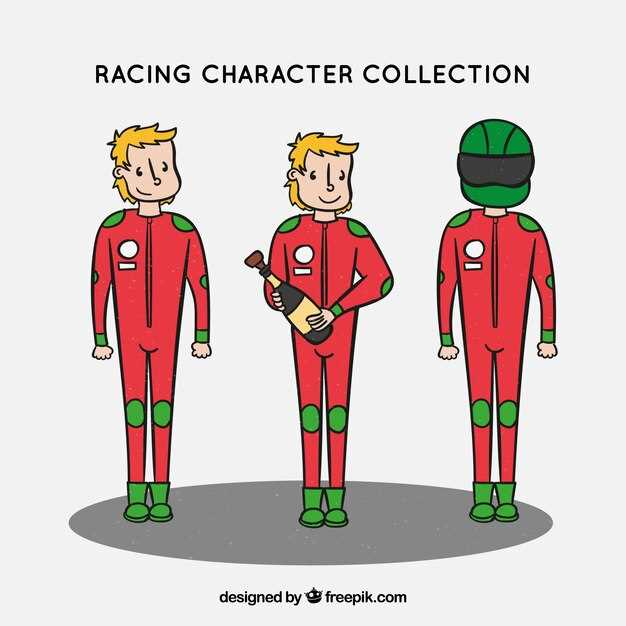
When diving into the world of racing, having the right gear is essential for both safety and performance. Here’s a breakdown of the essential equipment you’ll need to get started.
Firstly, a quality helmet is paramount. Look for a certified helmet that meets racing safety standards. It should fit snugly and comfortably to provide maximum protection during races.
Next, invest in a racing suit made from fire-resistant material. This is crucial for protecting your body in the event of an accident. Ensure that the suit has adequate breathability and mobility, allowing for ease of movement while driving.
Gloves are often overlooked, but they are vital for grip and control. Choose gloves that offer a good feel on the steering wheel and provide protection to your hands. Make sure they are compatible with your steering wheel setup.
Footwear is equally important. Racing shoes should be lightweight, comfortable, and designed to provide excellent pedal feel. Look for shoes with a non-slip sole to enhance your control over the vehicle.
Don’t forget about safety restraints. A five-point harness system is recommended for secure seating and protection. This harness will keep you firmly in place and reduce the risk of injury during sudden maneuvers or collisions.
Depending on the type of racing, a racing seat may also be necessary. A specialized seat can provide additional support and comfort during long races.
In addition to personal gear, you may need specific equipment for your vehicle, such as racing tires designed for high performance and better grip. Ensure your car is equipped with a fully functioning safety system, including a fire extinguisher and a roll cage, if applicable.
Lastly, consider joining a local racing club or community. They can provide valuable advice on additional gear or modifications specific to the type of racing you intend to pursue.
How Do I Choose the Right Racing Class for My Skill Level?
Choosing the right racing class is crucial for new racers looking to develop their skills and enjoy their experience on the track. The first step is to assess your current skill level honestly. Consider factors such as your driving experience, familiarity with racing techniques, and comfort with high-speed conditions.
Beginner Racers should start in classes designed for novices. Look for entry-level categories that offer guidance and support, such as Karting or Spec Series events. These classes typically feature slower vehicles and less experienced competitors, allowing you to build confidence and learn basic racing principles without overwhelming pressure.
Intermediate Racers who have a grasp of racing fundamentals might consider classes that offer a bit more competition and complexity. Options like Club Racing or Regional series can be suitable, as they often have distinct rules and vehicle requirements that challenge your skills further while still providing opportunities for mentorship and growth.
For Advanced Racers, selecting a more competitive class, such as a National series or professional racing league, is essential. At this level, the focus shifts to performance optimization, race strategy, and technology. Ensure you have adequate experience and possibly seek a team or coach to refine your abilities in higher-pressure scenarios.
Whichever class you choose, it’s essential to research the rulebook and vehicle specifications. Understand the technical requirements and assess your own vehicle’s capabilities. Joining local racing forums or communities can also provide insights and recommendations from experienced racers who can share their experiences in various classes.
Ultimately, the right racing class will not only match your current skill level but also offer opportunities for improvement and enjoyment, which are key elements in your racing journey.
What Should I Know About Track Etiquette and Safety Rules?
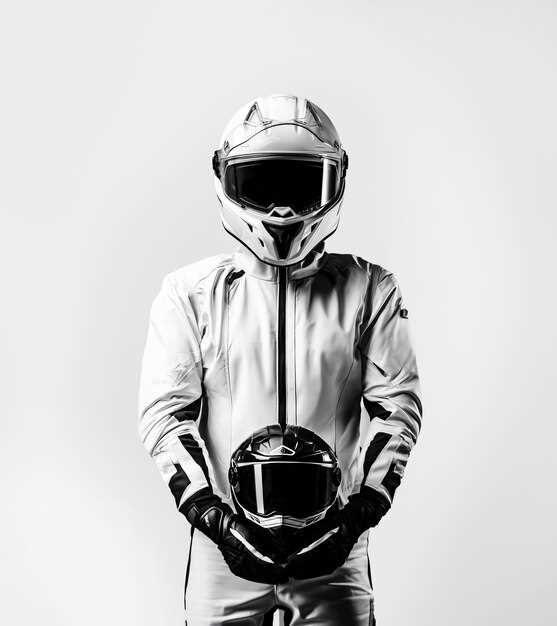
Understanding track etiquette and safety rules is essential for both new and experienced racers. Adhering to these guidelines ensures a safe and enjoyable experience for everyone involved.
1. Familiarize Yourself with the Rules: Before hitting the track, review the specific rules and regulations of the venue. Each track may have its own set of guidelines, including speed limits, overtaking protocols, and flag signals.
2. Always Wear Proper Safety Gear: Ensure you wear the appropriate safety equipment, including a helmet, gloves, and protective clothing. This not only protects you but also sets a standard for safety within the racing community.
3. Be Aware of Your Surroundings: Stay vigilant and aware of other racers. Use mirrors and stay alert to what is happening around you, especially during overtaking situations. Maintaining awareness can prevent accidents.
4. Communicate Clearly: Use hand signals or lights to indicate your intentions to other drivers, especially when you plan to change lanes or make a sudden maneuver. Clear communication can prevent misunderstandings and enhance safety.
5. Respect Other Racers: Be courteous to fellow racers by showing respect on and off the track. Avoid aggressive driving and give space when necessary. A cooperative spirit fosters a positive racing environment.
6. Follow the Track Marshals’ Instructions: Track marshals are present to ensure safety and adherence to rules. Always listen to their instructions and obey their signals. They are trained to manage the flow of racing and deal with emergencies.
7. Maintain Your Vehicle: Regularly check your vehicle’s condition, including brakes, tires, and fluids, before each race. A well-maintained vehicle not only enhances performance but also contributes to overall safety on the track.
8. Know the Flags: Understand and recognize flag signals, such as yellow flags for caution and red flags for stop conditions. Respond appropriately to each signal to ensure your safety and the safety of others.
9. Practice Good Sportsmanship: Win or lose, exhibit good sportsmanship. Congratulate fellow racers and remain gracious. This attitude contributes to a supportive community and encourages newcomers.
10. Stay Calm in Emergencies: In the event of an accident or mechanical failure, remain calm and follow the established emergency procedures. Stay in your vehicle unless instructed otherwise by track officials.
By following these etiquette and safety guidelines, you create a safer environment for yourself and others, making racing an enjoyable and thrilling experience for everyone involved.